
The Evolution of Water Lines: How BWL Continues to Protect the Community's Water Supply
Posted
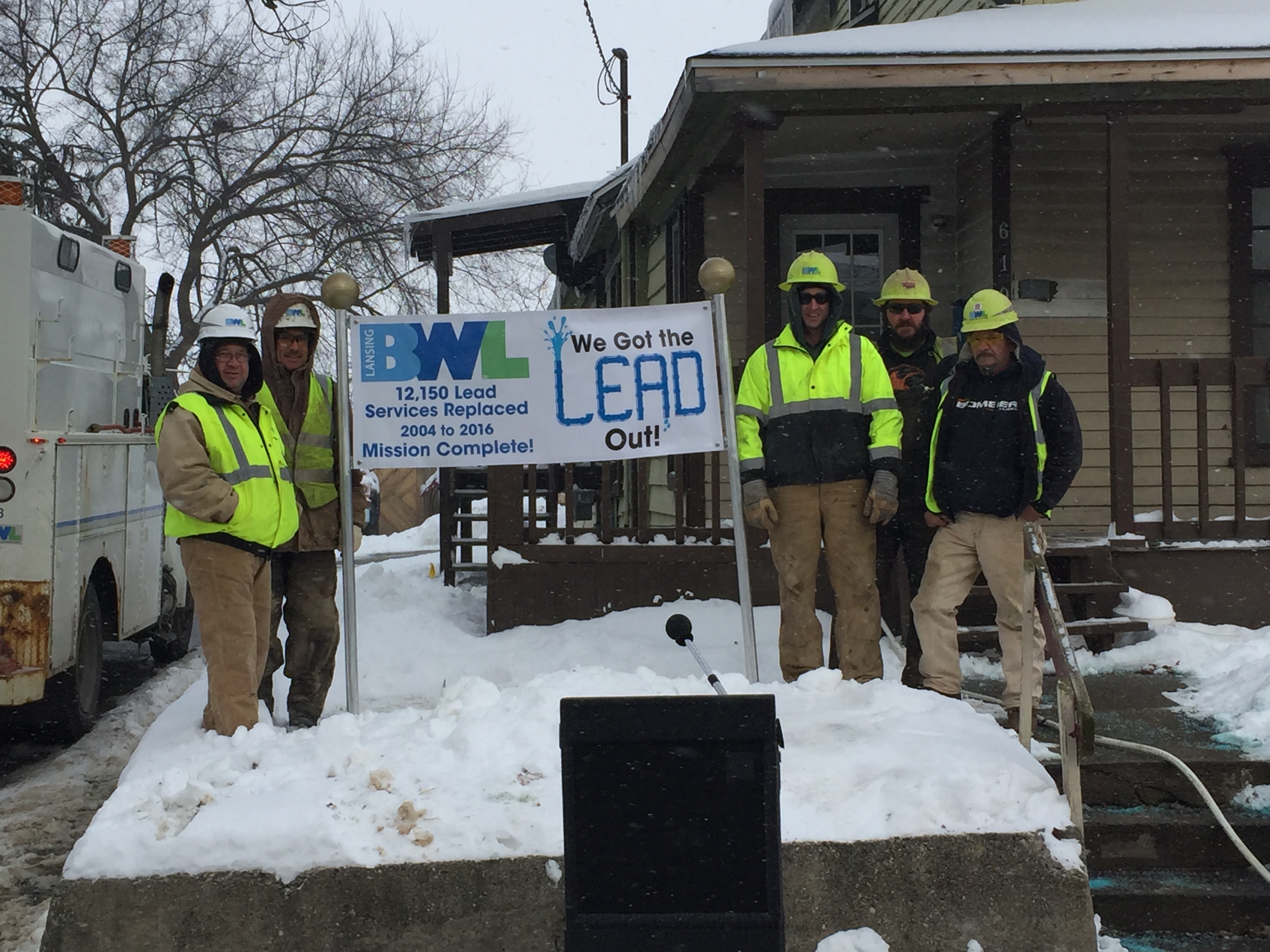
For more than 140 years, the Lansing Board of Water & Light (BWL) has worked to deliver safe, reliable drinking water to the Greater Lansing community. While the goal has remained the same, the pipes used to transport water have changed significantly over the years. From hollowed-out logs buried underground to today's durable iron and copper pipes, the history of water infrastructure reflects generations of improvements in water quality, reliability and public health.
Used as early as the 1700s and well into the early 1900s, some of the earliest water pipes were created by drilling holes through the center of logs and burying them underground. When water entered the pipes, the wood expanded, helping seal the connections and prevent leaks. Metal bands were sometimes wrapped around the logs to control expansion and reinforce the structure. Although wooden pipes could last for decades, they were difficult to repair and eventually gave way to newer materials.
By the early 1900s, cast iron had become the most common material for underground water mains. Strong and long-lasting, cast iron offered a more practical alternative to wood. However, iron pipes can corrode over time, causing rust to accumulate inside the pipe and eventually leading to leaks or breaks. Today, BWL uses ductile iron, a stronger and more flexible type of iron that offers improved durability. These pipes commonly use a bell-and-spigot connection, in which one end of the pipe fits securely into the other. A cement mortar lining inside the pipe helps protect against corrosion, allowing properly maintained ductile iron water mains to last more than 100 years.
Another material used in water infrastructure was lead. Lead pipes and service lines were installed in many communities during the late 1800s and early 1900s. While these pipes were valued for their flexibility and ease of installation, the health risks associated with lead exposure are now well understood. Lead can enter drinking water when plumbing materials corrode, making the removal of lead infrastructure an important public health priority.
In 2004, BWL began an ambitious effort to replace every known active lead service line in its service area. The 12-year project replaced 12,150 lead service lines at a cost of $44.5 million. In December 2016, BWL removed its last active lead service line, becoming the first utility in Michigan and the second in the nation to complete the effort. Subsequent verification work, completed in 2024, confirmed that BWL's distribution system had no remaining lead service lines, galvanized lines requiring replacement or service lines with unknown material status.
Today, copper is also commonly used in plumbing and water service connections. Its durability, resistance to corrosion and recyclability make it a reliable choice for transporting water. Along with modern ductile iron water mains, these materials represent continued improvements in the infrastructure that delivers water to homes and businesses throughout the community.
Although BWL reached a major milestone in 2016, protecting drinking water remains a shared responsibility. The removal of active lead service lines addressed the pipes connecting BWL's water mains to customers' water meters. However, older homes and businesses may still have plumbing fixtures, faucets, solder or other materials that contain lead. BWL continues to use a corrosion control additive that creates a protective coating inside water mains, service lines and household plumbing, helping reduce the amount of lead that can enter drinking water. BWL also regularly monitors water quality to help ensure the effectiveness of its treatment.
Ten years after completing its lead service line replacement project, BWL remains committed to protecting the community's water supply. While water infrastructure will continue to evolve, the commitment to providing safe, reliable drinking water remains at the heart of BWL's service.
For more information on BWL water contact, amy.adamy@lbwl.com.