
Powered by the People
Posted
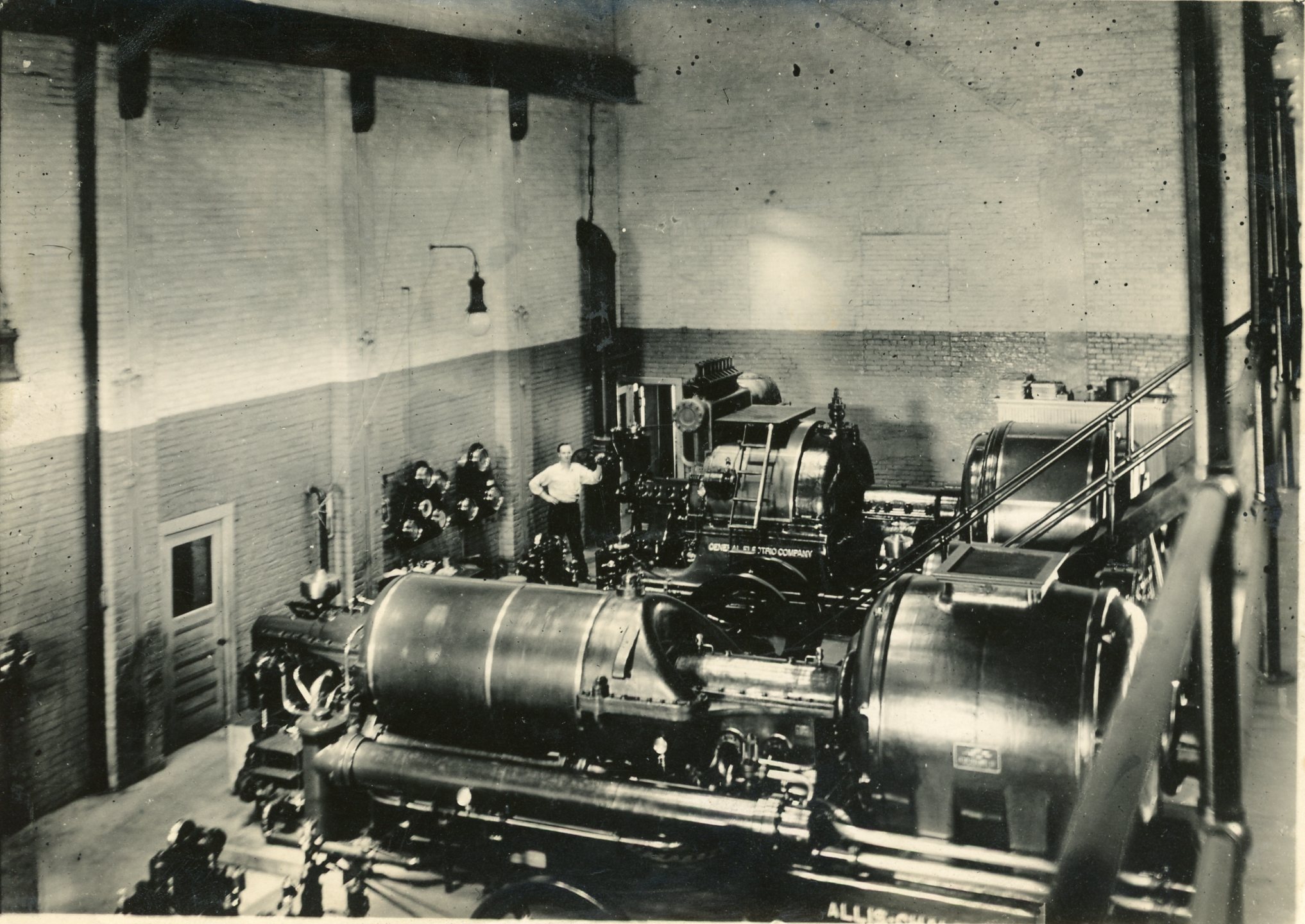
When Lansing’s first electric lights began shining in the late 1880s, electricity was a new and expensive technology. The city’s first electric light company, established in 1883, was privately owned. Just two years later, in 1885, the City of Lansing created its own public water utility, the Lansing Board of Water Works. In 1892, electric was added as a utility and the Lansing Board of Water & Light (at the time The Board of Water Works and Electric Light Commissioners) as we know it was created.
Lansing was among Michigan’s early communities to embrace a municipal utility structure – also known as public power. When voters approved municipal ownership of electricity in 1892, Lansing joined a small but growing group of Michigan communities choosing to own and operate their own electric systems rather than rely solely on private companies.
From the beginning, Lansing’s electric system was designed to serve the community rather than outside investors. As the city grew, BWL could reinvest in its infrastructure, expand service and make decisions based on the needs of the people and businesses it served, rather than the interests of private shareholders. And Lansing certainly grew.
At the beginning of the 20th century, the city was becoming an industrial center. Companies such as Oldsmobile and later General Motors helped establish Lansing as an important manufacturing community, while new neighborhoods, businesses and public institutions continued to expand. Between 1890 and 1920, Lansing’s population grew from about 16,000 to more than 57,000 people.
Growth required more power, more infrastructure and more investment. It also demonstrated one of the lasting advantages of public power: the utility and the community were growing together. More than a century later, that relationship remains at the heart of public power. Michigan’s public power utilities are owned and operated by the communities they serve, increasing affordability and reliability.
Since 1885, BWL has grown alongside Lansing, from a water utility serving a growing community to a modern utility providing four utility services. The technology has changed dramatically, and the community has changed even more. But the fundamental purpose remains familiar: invest in the system, serve the community and keep essential services working for the people who call Lansing home.