
Powering Progress
How the Lansing Board of Water & Light Grew with Lansing and America
Posted
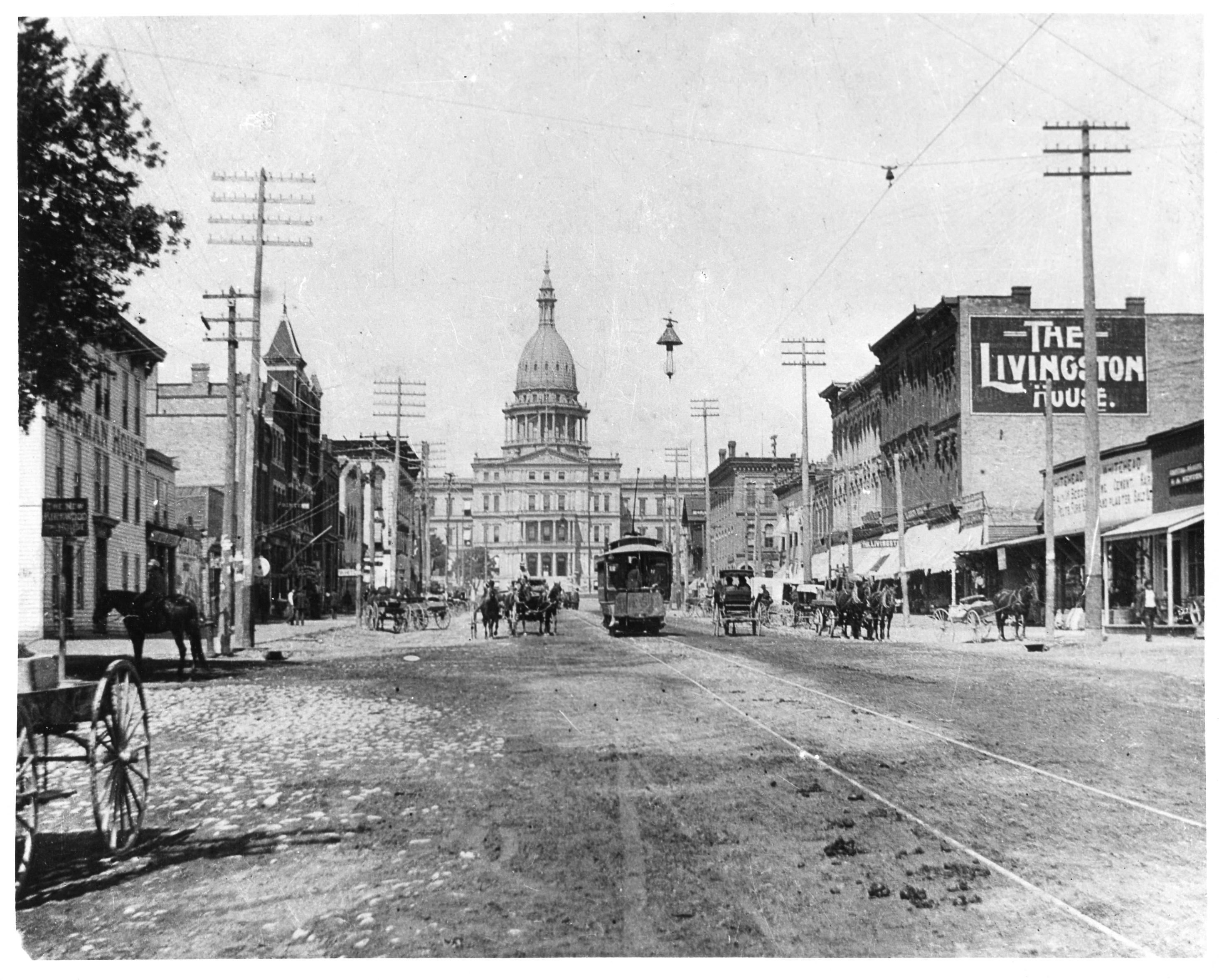
Before Lansing could become an industrial city, it needed water. Before it could become a manufacturing center, it needed power. As the United States approaches its 250th anniversary in 2026, communities across the nation are reflecting on the people, institutions and investments that helped shape American progress. In Lansing, few organizations better illustrate that story than the BWL.
Founded in 1885 as the Lansing Board of Water Works, the utility emerged in response to what city leaders called "the water problem." Concerns about fire protection, water quality and reliable service came into sharp focus following the capitol fire of 1882, leading Lansing residents to embrace a municipally owned water system. Their goal was straightforward: provide clean, safe, affordable water to a growing city.
That decision reflected a broader American story. Throughout the late nineteenth century, communities across the country invested in infrastructure needed to support growth and improve quality of life, and Lansing was no exception.
Just a few years later, the utility expanded beyond water. As electricity transformed daily life and powered economic development across the nation, Lansing leaders again chose municipal ownership to provide reliable service at reasonable rates. The addition of electric service marked the beginning of a new chapter, one that would tie the utility's future directly to Lansing's emergence as an industrial city.
During the first half of the twentieth century, Lansing experienced tremendous growth. Companies such as Olds Motor Works and later General Motors helped establish the city as a center of American manufacturing. New factories, businesses and neighborhoods required increasing amounts of power. To meet that demand, BWL expanded its generating capabilities and services through facilities like Ottawa Street Power Station, Moores Park and Eckert Power Station. Each investment reflected the same challenge facing utilities nationwide: keeping pace with a rapidly modernizing America.
The story of BWL also mirrors the nation's changing relationship with energy. For much of the twentieth century, coal fueled economic growth across the United States. Railroads, factories, steel mills and power plants all depended on it. Like many utilities, BWL utilized coal-fired generation to support Lansing's growing population and industrial base. Decisions about fuel sources, plant expansions and generation technology connected Lansing to larger national conversations about energy, economics and environmental stewardship.
Adaptation has always been part of the utility's history. Just as BWL moved from a water utility to also provide electric service, it’s continued to evolve alongside the community it serves. In recent years, that’s included retiring coal generation, investing in renewable energy resources, modernizing infrastructure and supporting the needs of a changing economy.
Today, Lansing's economy looks very different than it did in 1885. Manufacturing remains important, but healthcare, education, technology and advanced industries increasingly shape the region's future. BWL continues to adapt, providing reliable utility services that allow businesses to invest, communities to grow and residents to thrive.
For over 140 years, the Lansing Board of Water & Light has done more than provide water and electricity. It’s helped create the conditions that make growth possible. As the nation celebrates 250 years of progress, BWL's history serves as a reminder that the story of America is often told through the local institutions that quietly power communities every day.